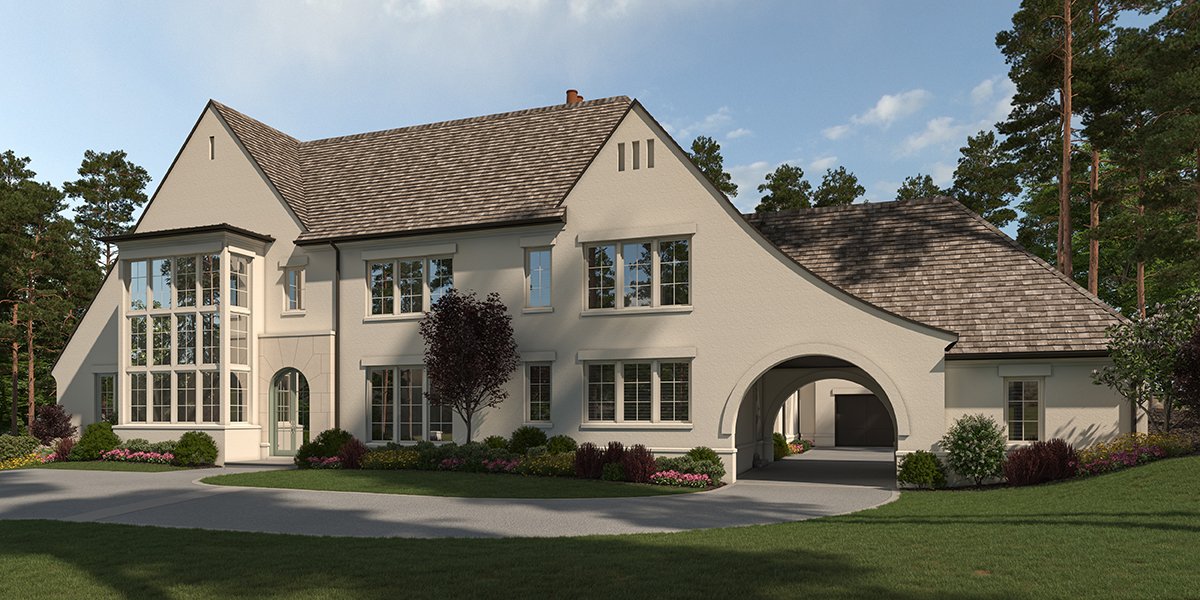
Ever feel like the outside of your house tells the world you gave up somewhere between spring cleaning and last summer’s storm? Between weather damage, rising material costs, and stricter neighborhood standards, exterior renovations can feel daunting. Yet neglect only lowers value and raises long-term costs. In this blog, we will share tips for planning exterior home renovations that protect your property and avoid unnecessary stress.
Plan Functional Outdoor Spaces
While curb appeal matters, the usability of outdoor areas often influences how a home feels day to day. Decks, patios, and walkways can expand functional living space when designed with durable, low-maintenance materials. Composite decking, pavers, and weather-resistant finishes allow homeowners to enjoy these spaces without dedicating constant time or money to upkeep.
Outdoor lighting adds both safety and atmosphere. Motion sensors and energy-efficient fixtures keep walkways and entryways well-lit, while solar-powered options reduce operating costs. These features make the property feel more complete and functional, especially when combined with landscaping that’s attractive but not labor-intensive. Selecting native plants, which need less water and maintenance, helps achieve a polished look without ongoing work that drains resources.
Start with the Priorities That Protect the Home
Before focusing on appearance, it’s critical to address the parts of the exterior that defend the home from damage. A sound roof, intact gutters, and sealed windows form the first line of protection against moisture, pests, and energy loss. Ignoring these essentials can turn minor flaws into major problems, like leaks that spread mold or weakened framing that demands costly structural work.
Siding also falls into this protective category, and finding a reliable siding company can make a significant difference in both longevity and efficiency. Modern siding materials, installed correctly, can improve insulation, reduce maintenance, and help the home withstand extreme weather conditions. It also updates the home’s look in a way that appeals to future buyers without demanding constant upkeep. Addressing siding early ensures that cosmetic projects, like painting or landscaping, aren’t wasted when older materials fail and need replacement. By securing the home’s shell first, every following improvement builds on a stable, durable base.
Align Upgrades with Energy and Cost Savings
Once the protective essentials are handled, planning upgrades that lower ongoing expenses can make renovations more sustainable. Energy-efficient windows, insulated garage doors, and even reflective roofing materials all reduce heating and cooling demands. These improvements have gained traction not just for individual savings but because they align with broader efforts to curb energy use amid rising costs and strained power grids.
In some regions, incentives and rebates make these upgrades more affordable, offsetting initial costs. Homeowners who research local programs before starting work often find they can stretch budgets further, covering additional improvements without overspending. These savings make it possible to invest in other exterior features, like lighting or hardscaping, without delaying essential repairs or upgrades.
Phase Projects to Avoid Overload
Tackling every exterior upgrade at once often leads to budget overruns and frustration. A phased plan allows homeowners to prioritize critical repairs first, followed by energy-saving updates, and finally aesthetic or lifestyle improvements. Spacing projects over time avoids stretching finances thin and reduces disruptions to daily routines.
This approach also provides flexibility. Material prices, labor availability, and even homeowner schedules can shift, especially with unpredictable supply chains and seasonal weather patterns. Spreading work across months or years allows for adjustments without derailing the entire plan. It turns a potentially overwhelming overhaul into a series of manageable steps.
Factor in Seasonal Timing and Local Conditions
Renovations to a home’s exterior work best when timed to match local weather and construction cycles. Starting projects at the wrong time of year often leads to delays, higher costs, and lower-quality results. For example, scheduling roofing or siding work during a season with heavy rain or extreme temperatures can stretch timelines and damage new materials before they settle properly. Contractors also tend to charge more during peak demand periods, like late spring and summer, when everyone scrambles to complete upgrades before the next winter.
Planning projects in off-peak months, when conditions are mild and contractors have more availability, can save both time and money. It also provides a wider selection of materials and more room for negotiation on labor costs. Local building codes and permit requirements should also factor into the timeline, as delays often occur when paperwork isn’t handled in advance. By aligning the renovation schedule with the region’s climate patterns, market trends, and regulatory needs, homeowners avoid setbacks that drag projects out for weeks or force costly fixes later. This approach keeps the process smoother and ensures that completed work holds up over time rather than needing repairs soon after installation.
Stay Focused on What Adds Lasting Value
Not all renovations deliver equal returns, so it’s important to distinguish between projects that boost long-term value and those that cater only to personal preferences. Improvements that strengthen the home’s structure, reduce operating costs, or create functional space consistently perform better than purely decorative changes. Updating siding, repairing roofs, and adding efficient fixtures, for instance, typically increase appraisal values more than ornamental features like elaborate fountains or specialty trim.
Consulting with local real estate agents before finalizing plans can help clarify which upgrades make the most sense for the market. They can identify which exterior features buyers expect and which ones hold little appeal, ensuring money isn’t spent on projects with minimal return.
Why Planning Carefully Pays Off
Exterior renovations carry high stakes because they protect the home, influence its value, and often involve significant investment. Careful planning reduces the risk of spending heavily on projects that don’t hold up or failing to address vulnerabilities that lead to bigger repairs later. It also allows homeowners to take advantage of incentives, manage budgets, and avoid the stress that comes with rushed decisions.
This method aligns with a broader trend in homeownership where practicality now drives decisions more than flash. Rising costs, volatile markets, and unpredictable weather have made efficiency, durability, and functionality far more valuable than ornate or short-lived design choices. Homeowners who plan renovations with this mindset not only protect their properties but also position them to remain appealing and manageable for years to come.
By focusing first on protective measures, then on energy efficiency, and finally on aesthetic and functional enhancements, exterior upgrades become less of a burden and more of a long-term investment. With the right priorities and pacing, homeowners can transform the exterior of their properties without overwhelming themselves or their finances.
The post Tips for Planning Exterior Home Renovations appeared first on Talking With Tami.
from Talking With Tami https://ift.tt/GvY91Tk




0 Comments